Testimony of NYU Furman Center Senior Fellow Mark Willis Before the Rent Guidelines Board
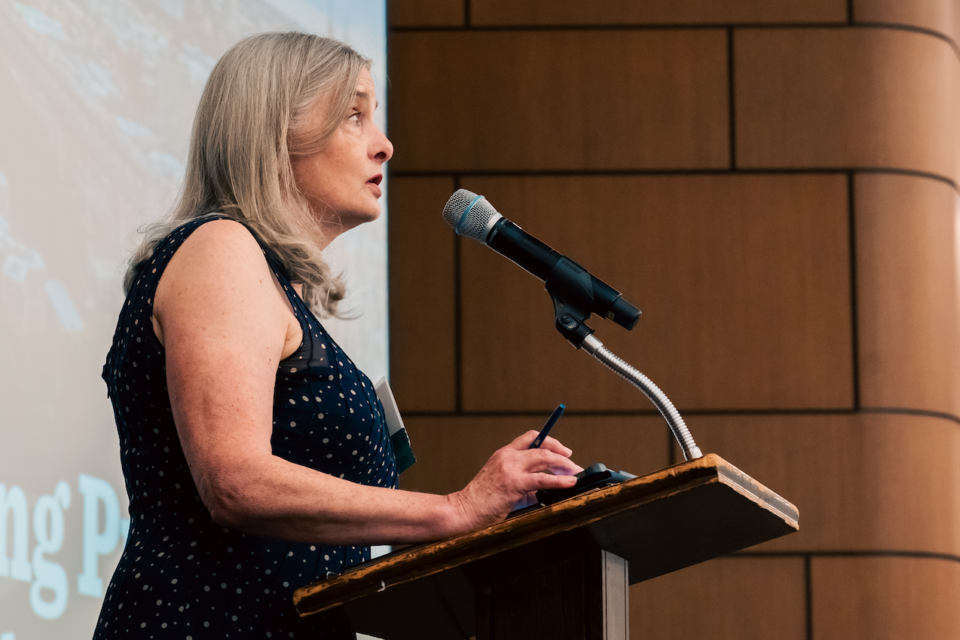
On April 10, 2025, Mark A. Willis, Senior Policy Fellow at the NYU Furman Center presented research findings at a hearing of the NYC Rent Guidelines Board, highlighting complicated trends in the city’s affordable housing stock since the passage of the Housing Stability and Tenant Protection Act (HSTPA) in 2019.
Preservation of housing that is affordable to New Yorkers, both income-restricted and not, is vital to ensure the city and its residents can thrive. With the importance of preserving the city’s existing affordable housing stock, Willis outlined the challenge facing the RGB when looking to settle on annual increases due to a conflict between two legislative mandates that can be difficult to reconcile in the face of inflation. The first, maintaining affordability (e.g., zero increases to protect households whose incomes have not increased) and, second allowing owners rent increases sufficient to permit them to properly maintain their properties over the long run.
To illustrate, Willis shared a recent analysis on the impact of both intended and unintended consequences of HSTPA from the NYU Furman Center. He provided an example of where, between 2010 and 2023, rent increases allowed by the RGB fell short of what is needed to cover increased operating costs and inflation by roughly 1 percent per year in pre-1974 rent-stabilized buildings in the Bronx.
The analysis is particularly relevant to roughly 500,000 units that are in 100 percent rent stabilized buildings. Of those, approximately 200,000 are in unsubsidized buildings, built before 1974 and have below median rents relative to other properties, and another roughly 300,000 are in the city’s subsidized affordable housing stock.
As a proxy to assess trends of the ~ 200,000 units, NYU Furman Center isolated data from 2019 to 2023 for the pre-1974, 90-100 percent rent stabilized buildings in the Bronx with below-median rental income of $1,232 per unit.
In inflation adjusted terms; the analysis showed:
- A 6.86% decline in overall expenses
- A 3.03% decline in gross income
- The slight increase in NOI (1.58%) was not sufficient to account for the scale of the decline in expenses.
Willis noted in his testimony that analyzing the full implications of HSTPA is greatly challenged by the limited, publicly available data plus the impact of the pandemic, which began about nine months after the law’s passage.
The finding that rent increases were falling short of the amount needed to cover increases in operating costs and overall inflation indicates that such rent shortfalls are likely to continue to grow over time, potentially exponentially, jeopardizing the long run economic sustainability of these properties. He added that approaches outside of the RGB process are likely needed to preserve the long-term viability of these most vulnerable and significant subsegments of the city’s affordable housing stock. This generational challenge presents an opportunity for New York’s lawmakers to find ways to preserve the stock for the long-term.
To see his full presentation, “HSTPA and the Challenge of Preserving NYC’s Unsubsidized and Subsidized Affordable Housing Stock”, click here. (Please note: Slide 9 has been updated with averages instead of medians to conform to the methodology used for the RGB longitudinal analysis. For comparison,the old version of the slide has been moved to the Appendix.)
To watch his testimony before the RGB, which begins at 1:10:37, click here.