

Skip to content

Home Research Topics

Neighborhood Indicators

Our research looks at the impact of neighborhood development and change on residents, including demographic and residential segregation patterns.

21.1%

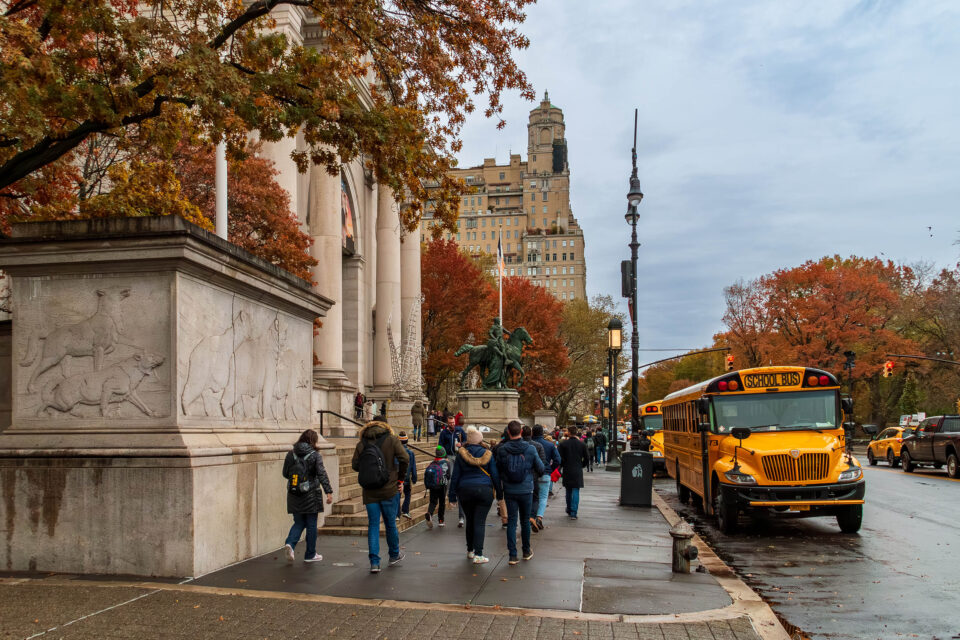
Predominantly Black and Hispanic public elementary schools in New York City had 21.1% of students in temporary housing, which was the highest share relative to other schools in the 2017-2018 school year. 

15.6%

Gentrifying neighborhoods in New York City experienced a dramatic increase of 15.6 percentage points in the share of college educated residents between 1990 and 2010-2014, rising to a total of 28.5%.

1.1

The average child starting out in a low-income neighborhood made 1.1
moves over 7 years. Among children who move over the period, those who move
from gentrifying neighborhoods tend to move further away from their original home.

“Investments in housing, schools, and community resources in historically disadvantaged neighborhoods are crucial to advancing health equity."

Mariana C. Arcaya, Ingrid Gould Ellen, and Justin Steil, Neighborhoods and Health: Interventions at the Neighborhood Level Could Help Advance Health Equity

Read the article

Explore our Research

Search our research on the impact neighborhood conditions have on health, public safety, and educational outcomes.

Filtering by:

Media Mentions

Our work is regularly featured in major news outlets, informing coverage of the importance of neighborhood conditions.