

Skip to content

Home Research Topics

Affordable & Subsidized Housing

Our research examines programs that provide and encourage affordable and subsidized housing, the production of affordable housing, and the effects on residents and their neighborhoods.

2.3 million

Low-income households rely on Housing Choice Vouchers, the nation’s largest rental assistance program. Our research shows the effectiveness of source of income laws and how they lead to better locational outcomes for voucher holders.

61%

Of the 85,000 voucher recipients across 433 metropolitan public housing authorities between 2015 and 2019 were able to successfully lease homes.

4 Years

After implementation, successful voucher households in metropolitan areas experienced nearly a four-percentile-point larger reduction in neighborhood poverty when subsidies were pegged to ZIP Code–level rents, compared with similar households.

“Despite concerns that Small Area FMRs may make it more difficult for voucher recipients in lower rent areas to lease homes, or may require them to search for longer to find units, our results indicate that SAFMRs have no significant impact on leasing success or search times in the 4 years after implementation, even for those starting in low-rent ZIP Codes.”

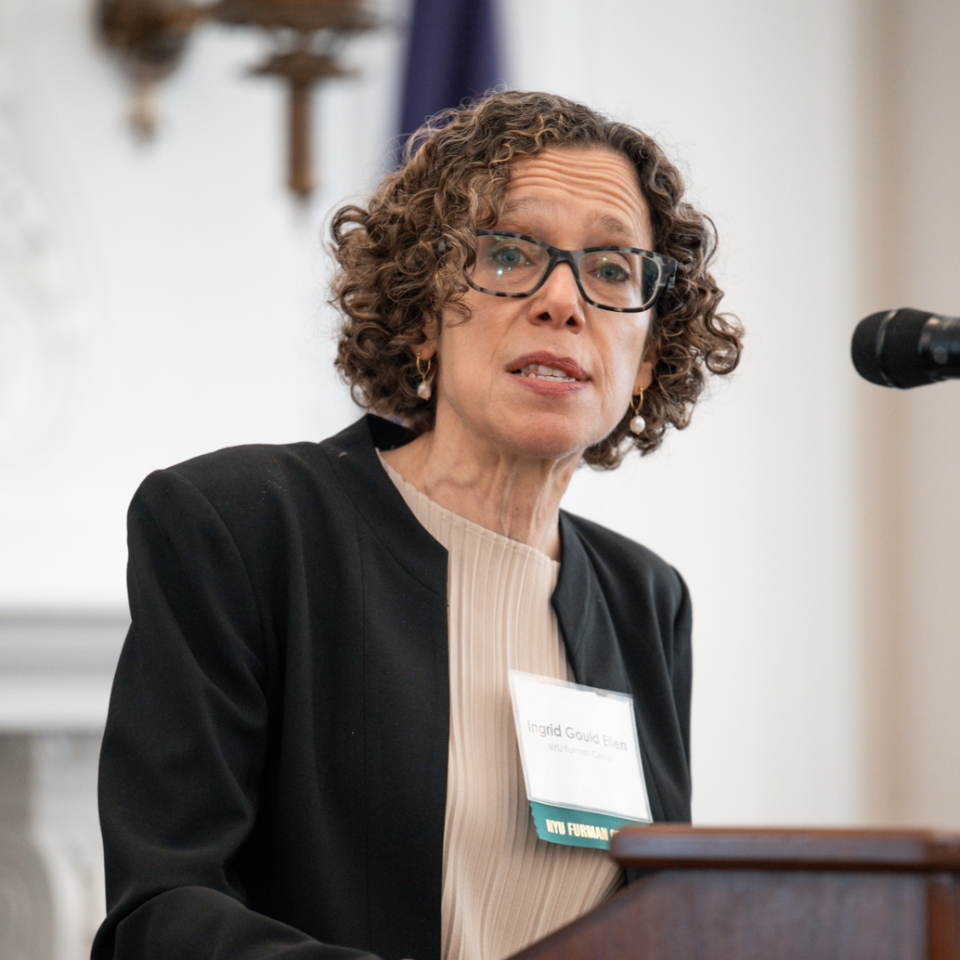
NYU Furman Center’s Ingrid Gould Ellen, Katherine O’Regan, and Sarah Strochak, "Pricing for Opportunity: The Impact of Spatially Varying Rent Subsidies on Housing Voucher Neighborhoods and Take-up"

Read the Paper

Explore Our Research

Search our research on the design, efficacy, and impact of government-subsidized affordable housing programs.

Filtering by: