Administrative Burdens in Emergency Rental Assistance Programs

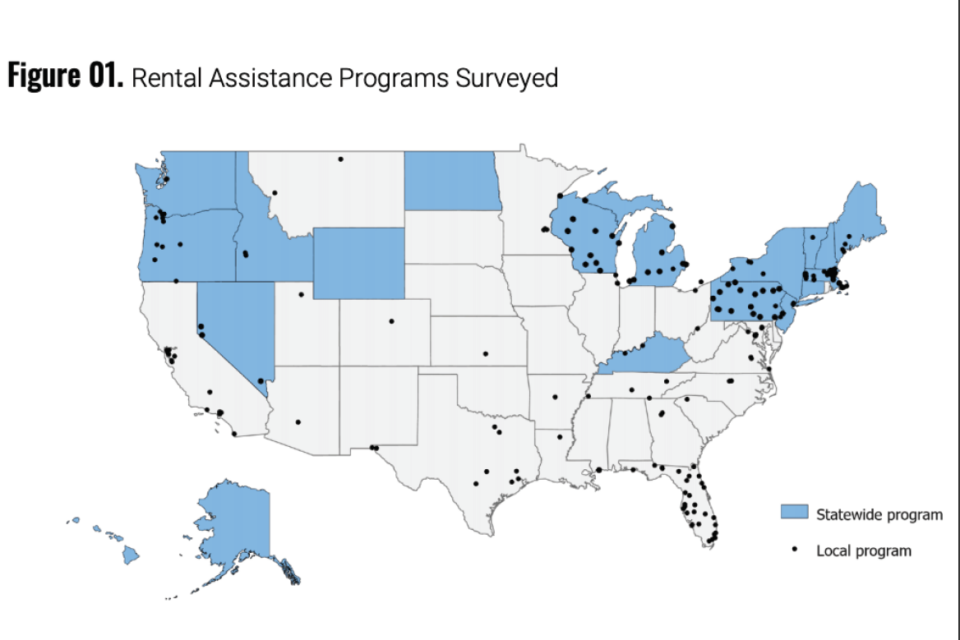
Since the onset of the COVID-19 pandemic, localities across the United States have been given unprecedented short-term rental assistance funding and considerable flexibility in its distribution. The emergency nature of these programs suggests that the administrative burden placed on participants should be lower than in typical rental assistance programs such as the housing choice voucher program. Yet there are several features unique to housing, such as the double take-up challenge of engaging both tenants and landlords, that persist. This article draws on national surveys of more than two hundred emergency rental assistance programs, surveys of thousands of tenant and landlord applicants, and interviews with ten program administrators to investigate the degree and sources of administrative burdens in these programs.
Researchers from multiple disciplines have highlighted how administrative burdens can limit citizens’ access to services and benefits, even when they are eligible (Currie 2004; Peeters 2020; Schwabish 2012). As a result of these burdens, take-up rates for entitlement programs, such as the Supplemental Nutrition Assistance Program (SNAP) and Medicaid, are well below 100 percent (Herd and Moynihan 2018). In 2017, for example, 82 percent of the eligible population received SNAP (Cunnyngham 2020). Further, some research suggests that these burdens tend to fall most heavily on those with the fewest resources (Cherlin et al. 2002). Although we do not know the share of eligible households that apply for federal rental assistance, the latest national study found that among those who successfully apply and receive housing choice vouchers, 61 percent are able to use them within 180 days (Ellen, O’Regan, and Strochak 2023). Yet surprisingly little literature focuses on the administrative burdens within housing programs. It is arguably even more concerning when administrative barriers limit access to critical public services in the face of emergencies. We study the emergency rental assistance (ERA) funds authorized by a pair of COVID relief bills in 2020 and early 2021.