Building Homes on Faith-Based Owned Land: State-led Approaches to Increasing Housing Supply
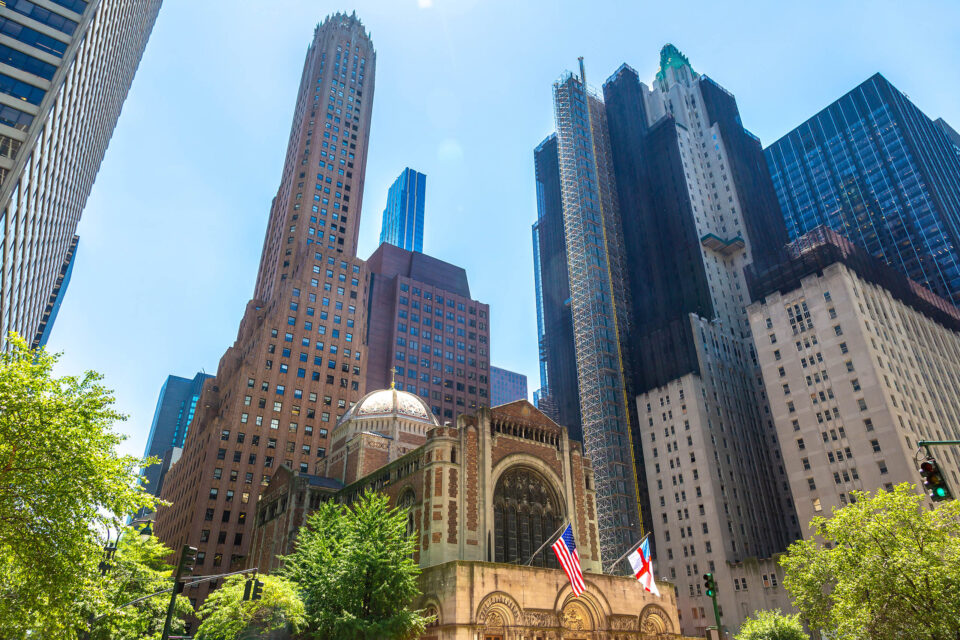
Faith-Based Organizations (FBOs) have long provided essential social services, and their role has become even more important in recent years as homelessness, food insecurity, and other needs have grown. In addition to providing shelter and other services to the unhoused, many FBOs are turning to the redevelopment or adaptive reuse of their properties for permanent affordable housing, as both an extension of their mission and a way to leverage their assets to address financial constraints.
Several state and local governments have adopted policies to encourage religious institutions to put their land and development rights to use in order to address local housing shortages. Cities like Atlanta and San Antonio are providing technical assistance to FBOs interested in developing housing. Other cities, like Detroit and Boston, have provided development financing to help FBOs repurpose the houses of worship or land they own into affordable housing. Some cities are coming up with solutions through land use reforms. San Diego in 2019 eliminated parking minimums for houses of worship and permitted them to replace parking lots with residential developments. In New York City, the recently passed “City of Yes for Housing Opportunity” could permit FBOs to convert underused properties to housing by lifting certain zoning restrictions around height and setbacks.
Many state legislatures have introduced similar measures. This brief will examine legislation enabling housing development on FBO-owned lands in Washington, Oregon, Hawaii, and California, as well as a recently passed bill in Maryland that applies more broadly to nonprofits. We also examine bills introduced or pending in South Carolina, Arizona, Virginia, and Colorado (see Appendix for details). In New York, lawmakers are considering the Faith-Based Affordable Housing Act (FBAHA), which sponsors say would remove barriers FBOs face in developing affordable housing on their land, while “respecting the unique character of communities across the state.” There is even interest at the national level—elected representatives introduced the Yes in God’s Backyard Act in Congress last year.
This brief will outline the benefits of building housing on these lands, explain the regulatory barriers FBOs face to do so and how state governments are addressing these barriers, and illustrate the potential for housing on FBO-owned land in New York City and across New York State. We then evaluate the key policy considerations to address these barriers and discuss what policymakers in New York can learn from the states that are already implementing these reforms.