Skip to content

Data Tools & Resources

The NYU Furman Center analyzes more than 35 datasets from a variety of city, state, and federal sources to present over 100 indicators on the health and conditions of New York City’s housing and neighborhoods.

Our Methodology

The NYU Furman Center collects data from city, state, and federal sources. Because these sources vary in format, we employ sophisticated cleaning techniques before conducting citywide and neighborhood-level analyses across various topic areas.

How to Cite Us

CoreData.nyc and its maps, tables, and resources may be used for research and publications. All citations should credit NYU Furman Center’s CoreData.nyc. Please preserve all trademarks and logos on any exported materials.

The Data Team

Our team offers deep expertise in local housing and neighborhood data and trends. Beyond our research, we host regular webinars to empower the public with the tools to navigate and interpret our datasets. If you have questions or need technical assistance, please contact us.

Annual 2025 Report

State of the City Report

The NYU Furman Center’s annual report provides a compendium of data and analysis about New York City’s housing, land use, demographics, and quality of life for each borough and each of the city’s 59 community districts.

This year’s report examines the impact of property taxes on multifamily buildings and walks through how potential reforms of the system would impact the City’s rental properties.

Citywide Indicators

Discover neighborhood-level information on housing markets, affordability, land use, demographics, and neighborhood conditions.

Housing Development

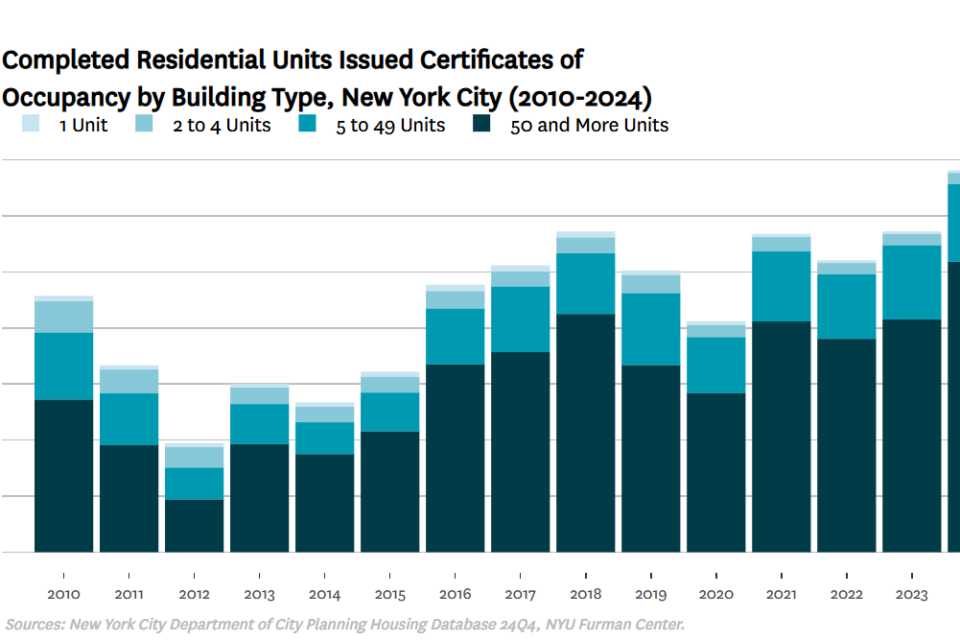
Track data on building permits, completions, affordability, and other trends in New York City.

Renters and Rental Conditions

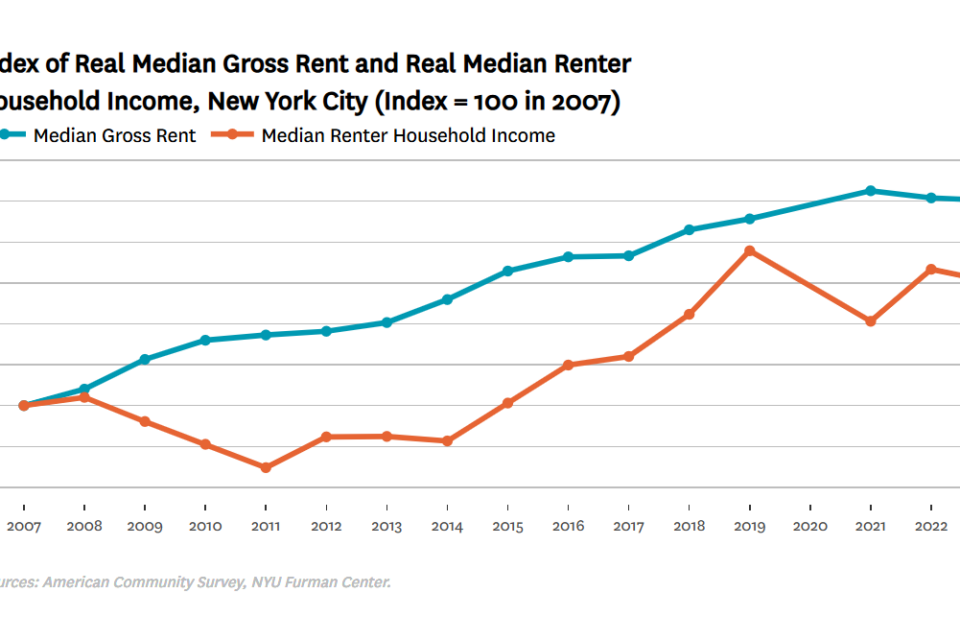
Explore trends on median rents, incomes, and rent burdens across neighborhoods.

Housing Market Conditions

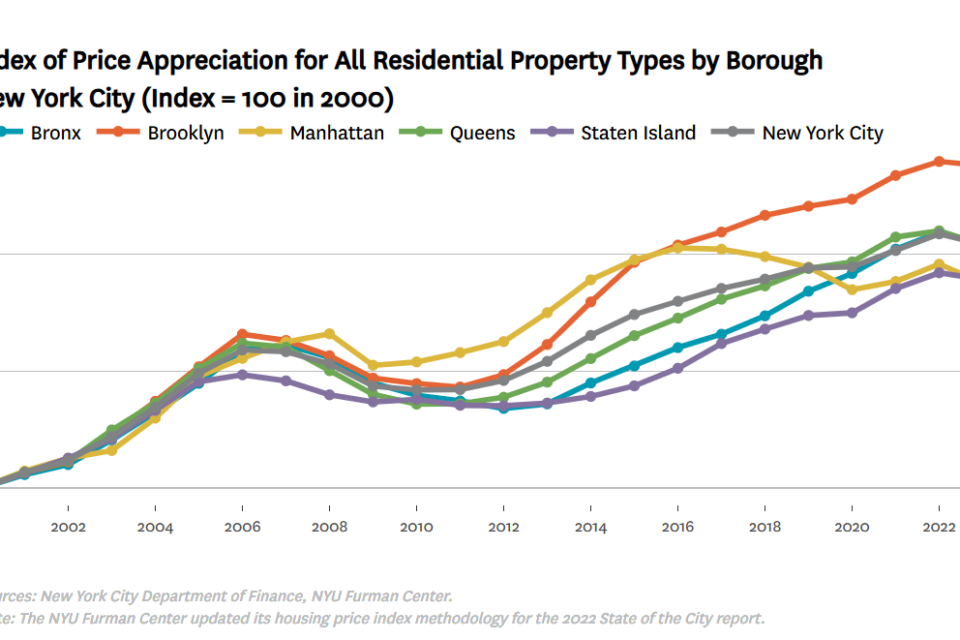
Analyze and compare citywide data on lending, housing prices and sales.

Neighborhood Data Profiles

Explore and download data on each neighborhood, including housing market conditions and development trends.

CoreData.nyc

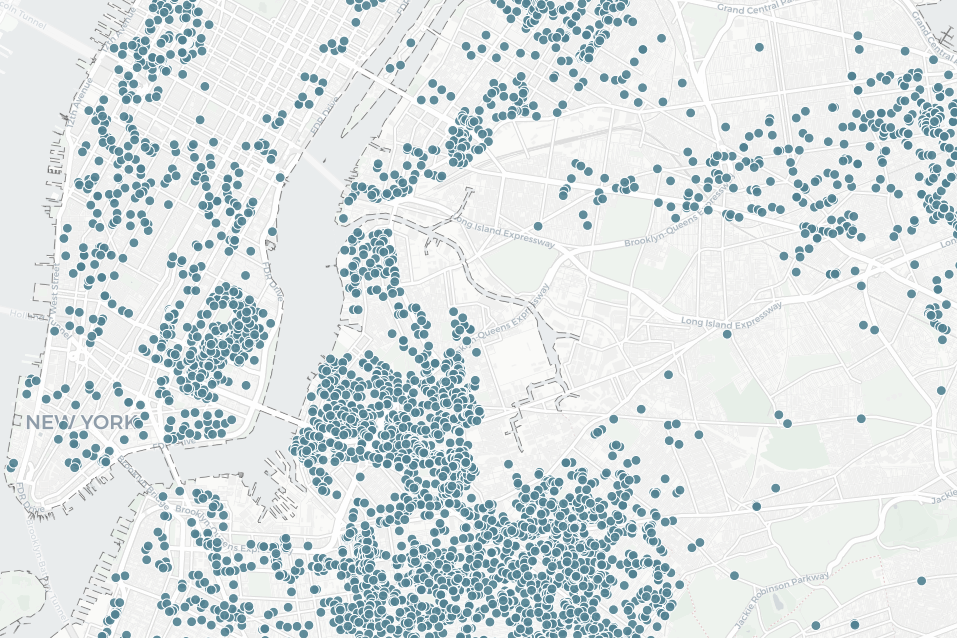
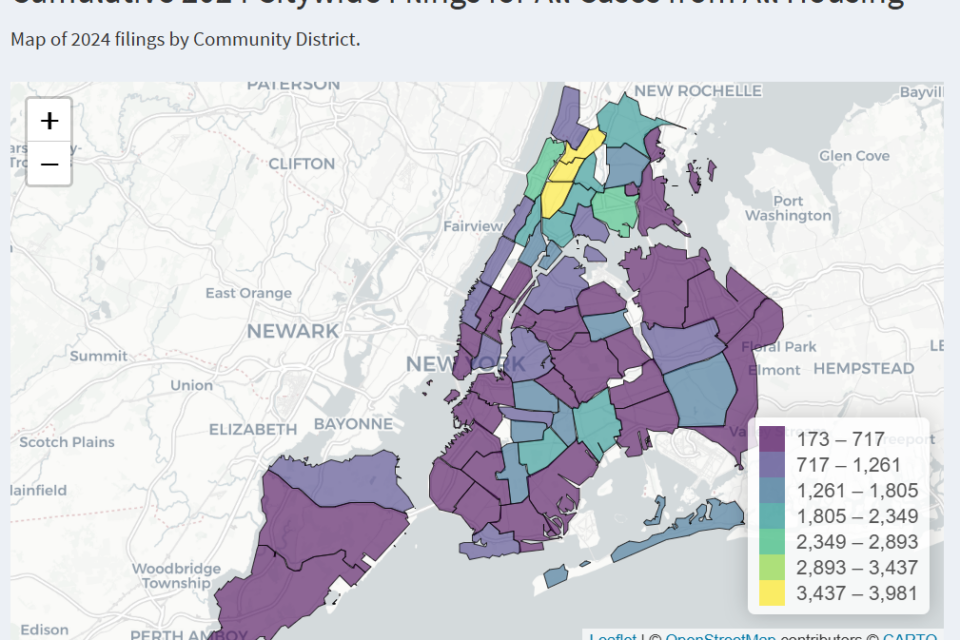
Explore CoreData.nyc, the NYU Furman Center’s flagship data platform. It features our Subsidized Housing Database—the city’s only publicly available, property-level resource of its kind—alongside comprehensive data on housing markets, land use, and neighborhood demographics. Use our tools to uncover the trends shaping New York City’s communities.

CoreData.nyc is supported through annual funding by the New York City Council.

City-Owned Parcels' Potential for Housing Development

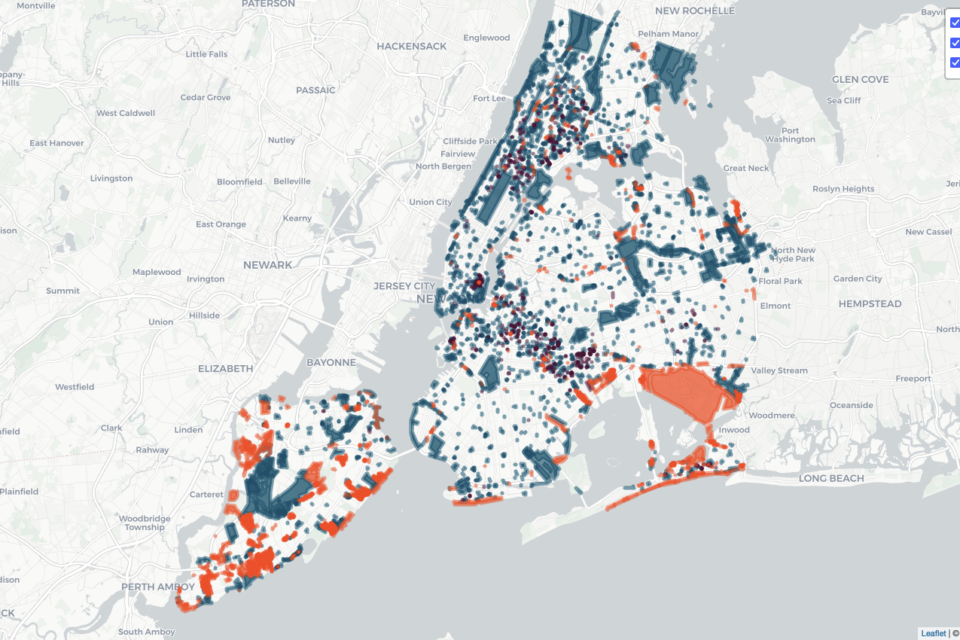
Explore four interactive maps that that categorize City-owned or leased land to shed light on the location and potential of City-owned sites for housing development.

Land Use Reform Tracker

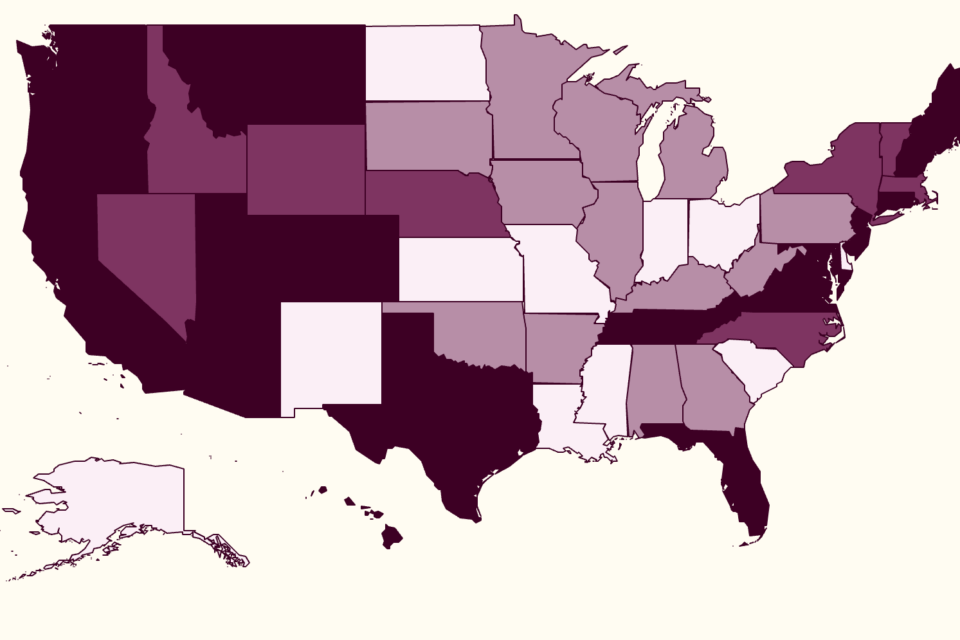
The Land Use Reform Tracker provides a database of enacted bills on land use reform across the country, including summaries of bill text, analysis of how the legislation compares to other states, and information on the different types of land use reforms.

Additionally, it offers up-to-date collections of research and commentary about the legislation, information about how the reform is being implemented, and about litigation and other reactions to the reform.

Map of the US

Additional Tools and Resources

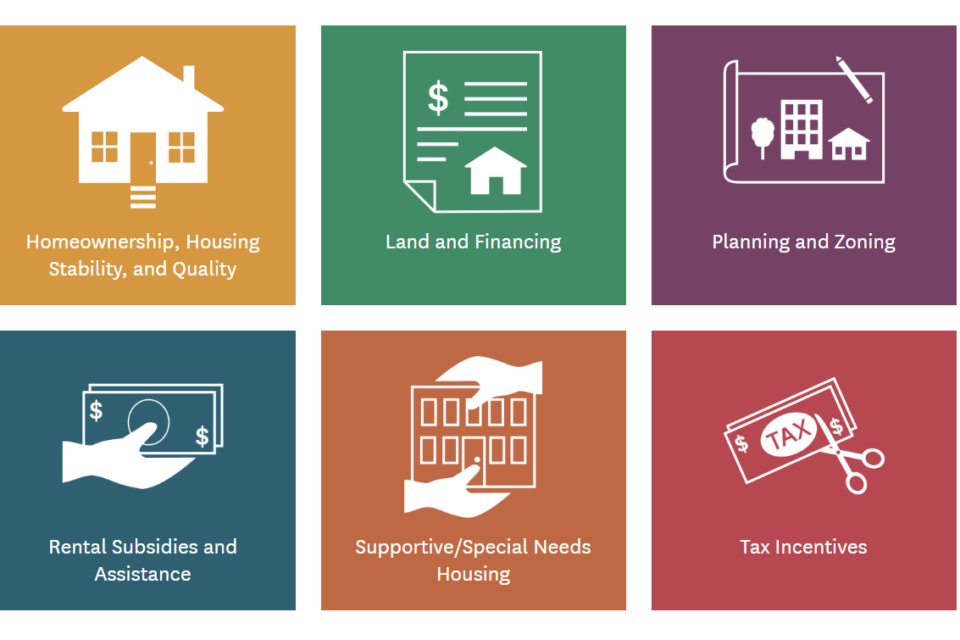
Directory of Housing Programs

Search and learn about dozens of government programs, using information and summaries compiled by the NYU Furman Center.

The Housing Solutions Lab's Data Tools and Resources

The Lab offers tools and resources for small- and midsize cities to assess their housing needs and use local data to spur affordable housing policy.

Housing Needs Assessment

Create a report of your community’s housing needs using nationally-available data.

Housing Policy Library

Search and learn about dozens of local housing policies to help advance the creation and preservation of housing units in cities, towns, and counties. Each policy brief includes details on implementation, relevant research, and examples from across the country.

Archived Tools

The NYU Furman Center does not actively maintain these tools, but they can still be accessed on our website.

Explore how public elementary school students are distributed across public schools by race and ethnicity for each of the city’s 32 school districts