Historic preservation efforts typically invite controversy, especially in high-cost cities. Advocates of preservation loudly trumpet the benefits of protecting the historic assets of a city, while critics charge that preservation freezes city neighborhoods and constrains their vital growth and development. Few observers have provided a balanced and thorough assessment of these costs and benefits, yet such an assessment is critical as city leaders make choices about which properties and neighborhoods to protect and preserve.
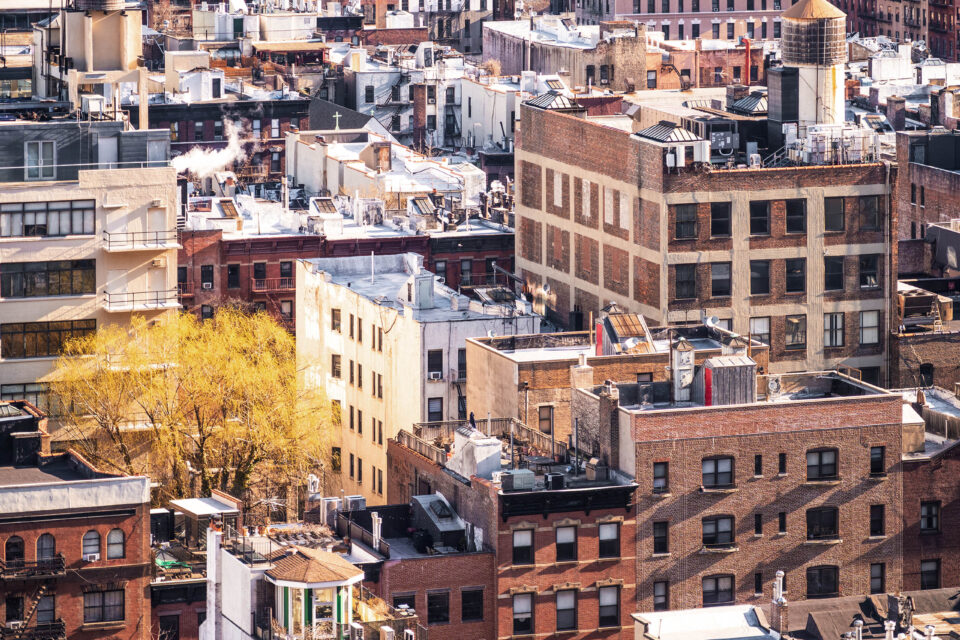
On the one hand, historic preservation clearly delivers benefits. The creation of historic districts may help to strengthen neighborhood identity, encourage social cohesion, and increase property values by providing certainty about future development. As Strahilevitz (Chapter 5, this volume) notes, preserving history – even a “fake” history created artificially to commemorate nonevents – has the power to generate feelings of community through a shared narrative of place-making. More fundamentally, preservation protects critical architectural and historical assets for future generations and provides a tangible link to our past. In New York City, preservation efforts have protected such architectural treasures as Grand Central Terminal and such classic nineteenth-century brownstone neighborhoods as Brooklyn Heights. We can still see the Greenwich Village townhouses where Edith Wharton, Hart Crane, and Malcolm Cowley were inspired to write and the Harlem brownstones where W. E. B. Du Bois, Paul Robeson, Count Basie, and other artists and intellectuals of the Harlem Renaissance brought to life twentieth-century African American culture. These historic assets are enjoyed not only by local residents, but also by visitors who travel to experience these historic buildings and neighborhoods.
On the other hand, historic preservation places constraints on a city’s ability to grow and develop by limiting the opportunity to construct new buildings or increase density on protected sites. Like other land use regulations, historic preservation rules impose new constraints that often halt the demolition of older buildings and limit the size and density of any newer ones. By imposing supply restrictions, the preservation process is likely to lead to higher housing prices and rents, both citywide and, quite possibly, within individual districts. By limiting the supply of rental housing through restrictions on new construction activity, it may drive overall prices up across the city. The requirements for higher-cost building materials in historic districts may translate into higher rents, creating obstacles for low- and moderate-income households to live in these neighborhoods. In the long run, these restrictions could limit the growth and economic development of cities as businesses seek out other places with lower housing costs and wages.
Decisions about which properties and neighborhoods to preserve are often politically charged, pitting preservation advocates against real estate developers. Developers lament the onerous restrictions the preservation process imposes while preservation advocates charge that the development process undervalues characteristics of the city that cannot be easily monetized in property transactions. Without a preservation process that explicitly values the historical character of neighborhoods and buildings outside of the market, these advocates worry that many places that contribute to the rich history and cultural fabric of the city will be lost to new development.