
The House Doesn’t Always Win: Understanding NYC's Housing Connect Lottery System and How to Improve It
- Vicki Been
- Jacob Waggoner
- Brad Greenburg
- Christine Wendell
- Dan Waldinger
- Nick Arnosti
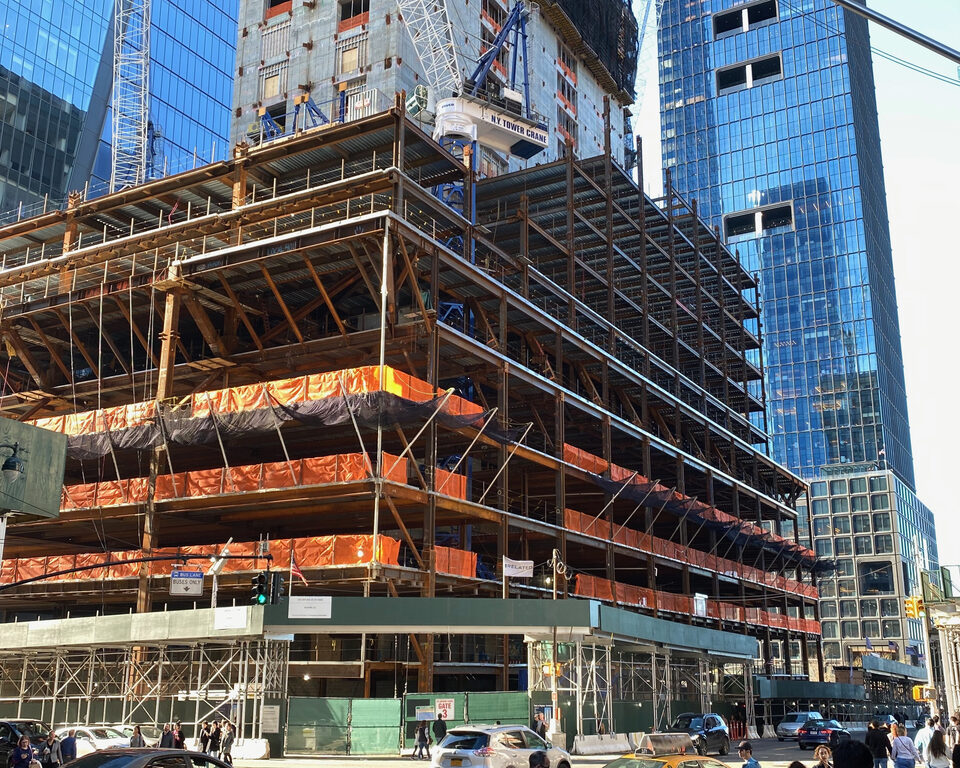
In 2024, Housing Connect distributed roughly 10,000 units across 300 buildings. Approximately 6 million applications were filed for those buildings.Because new income-restricted rental units are a scarce and highly sought-after resource, the City allocated many of these units by lottery, specifically through a digital platform called NYC Housing Connect that launched in 2013 and was last updated in 2020.
The City’s Department of Housing Preservation and Development (HPD) says the median time to approve an applicant through the lottery process was 142 days in Fiscal Year 2025, or approximately 4.7 months, which is down from more than 190 days, or approximately 6.3 months, in 2023 and 2024 and 176 days. in Fiscal Year 2022. Still, as the City’s affordable housing shortage has intensified, so has scrutiny of the process HPD uses to allocate the limited supply of new income-restricted units.
A new administration has a set of opportunities within its control to make the lottery system work better and to leverage data to drive pipeline planning and engage applicants that need housing based on their preferences. Indeed, on January 1, 2026, Mayor Zohran Mamdani issued Executive Order 5, establishing an interagency task force to propose reforms that would streamline administrative processes, like NYC Housing Connect, that may be slowing down the construction and allocation of income-restricted units.
Despite legal and administrative capacity constraints on HPD’s reform efforts, we believe that there are potential changes that could improve the housing lottery system. To help policymakers in this effort, we examine how Housing Connect allocates affordable housing, using a combination of public documents and anonymized data from software used by marketing agents.