Back to Land Use Reform Tracker
State Land Use Enacted Legislation
| Bill # | State | Year | Party | Topic |
|---|---|---|---|---|
AB 140 |
CA | 2021 | D | Affordable housing incentives and financing, Environmental review, Planning for climate adaptation and hazards, Publicly-owned, Technical assistance |
Provided by Furman
Summary
- Comprehensive bill that enacts significant policy changes and funding frameworks to address California’s housing and homelessness crises.It provides substantial financial resources to tackle homelessness and create affordable housing opportunities through various grants and initiatives, supporting both new development and preservation of existing units.
- Establishes the California Dream For All Program, a framework designed to make homeownership more attainable through a shared-appreciation model.
- Additionally, it streamlines the use of surplus state property for housing. AB 140 removes the requirement for local government approval when the state leases its land for housing and adjusts affordability mandates: at least 20% of units must now be dedicated to lower-income households.
- Creates the Excess Sites Local Government Matching Grants Program, providing up to $30 million in grants to developers working on state-owned land who receive local matching contributions.
- Creates the Regional Early Action Planning (REAP) Grants Program of 2021. This program provides funding for “transformative” planning activities that link housing production with climate goals, specifically aiming to reduce per capita vehicle miles traveled (VMT).
- To expedite construction, the bill expands exemptions from Article XXXIV of the California Constitution (which normally requires voter approval for low-rent housing) to include projects funded by COVID-19 relief funds (ARPA). It also provides a CEQA exemption (until July 1, 2024) for certain homelessness-related housing projects.
- Infuses the Homeless Housing, Assistance, and Prevention (HHAP) program with $2 billion over two rounds (Rounds 3 and 4). Notably, it shifts toward a performance-based model:
- Jurisdictions must set specific, data-driven goals to receive full funding.
- Portions of the budget are set aside as rewards for jurisdictions that meet their homelessness reduction targets.
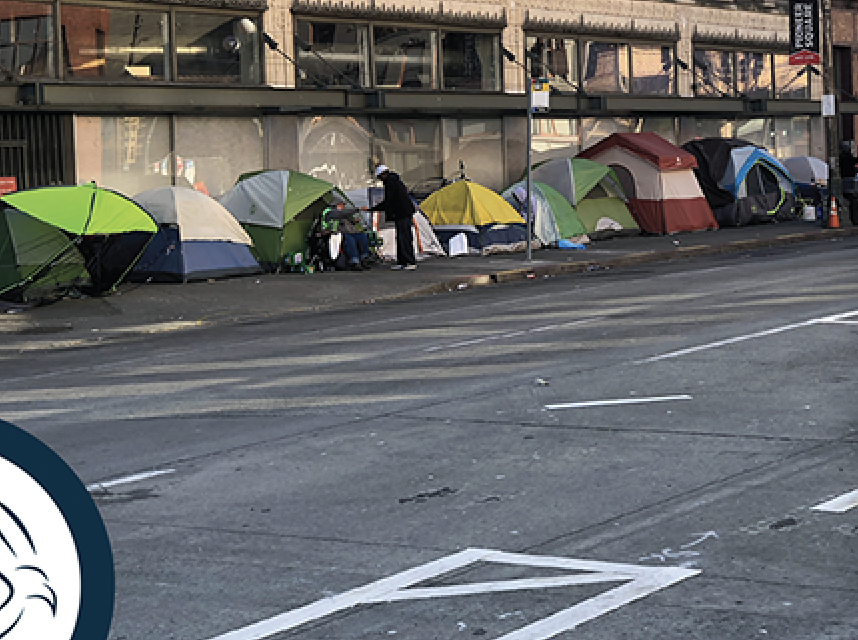
- It creates the Encampment Resolution Funding program, specifically targeting the transition of individuals from encampments into stable housing
- The bill introduces the Foreclosure Intervention Housing Preservation Program to help nonprofits and residents acquire foreclosed properties, keeping them as affordable housing. It also authorizes the Department of Housing and Community Development (HCD) to provide forgivable loans or grants to fill the gaps in affordable housing projects that were stalled due to insufficient federal or state tax credit equity.
- Creates the Family Homelessness Challenge Grants and mandates a Statewide Assessment of all homelessness programs. This assessment aims to identify gaps in the current system and ensure that state resources are being deployed efficiently across all departments.
Provided by lawmakers
Bill Title
Housing
Related resources
Enacted Legislation Related Posts
Research and analysis from the Furman Center on this and related housing policy topics.